
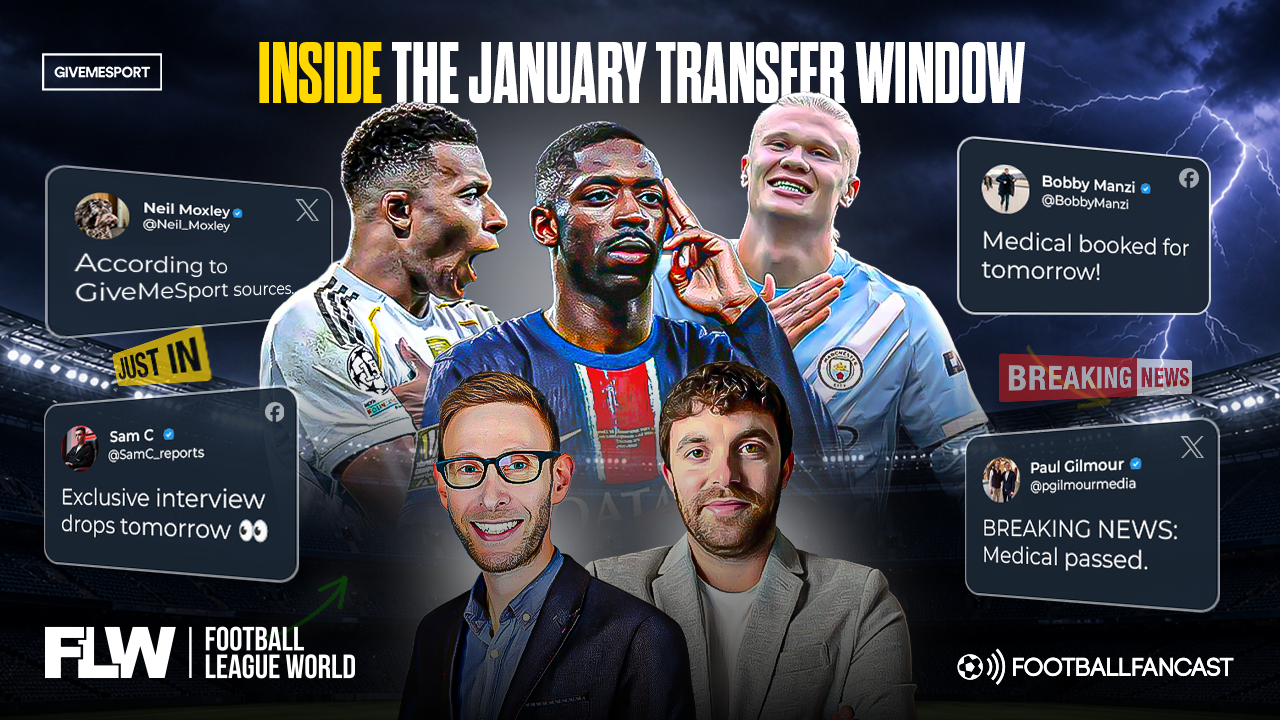
More than $1.9 billion USD spent on transfer fees. A record 5,973 international moves. The 2026 January transfer window was pure chaos.
The transfer window isn’t just a busy period for football, it’s a live stress test of a sports publisher’s entire operation. It’s a market driven by uncertainty, and just like football clubs that invest during this period, here at Valnet Sports, we do as well.
For our brands GiveMeSport, Football FanCast, and Football League World, the transfer window represents a period of peak audience demand, maximum competition for attention, and a compressed timeline where speed, accuracy, and scale all matter at once.
Building the Right Roster
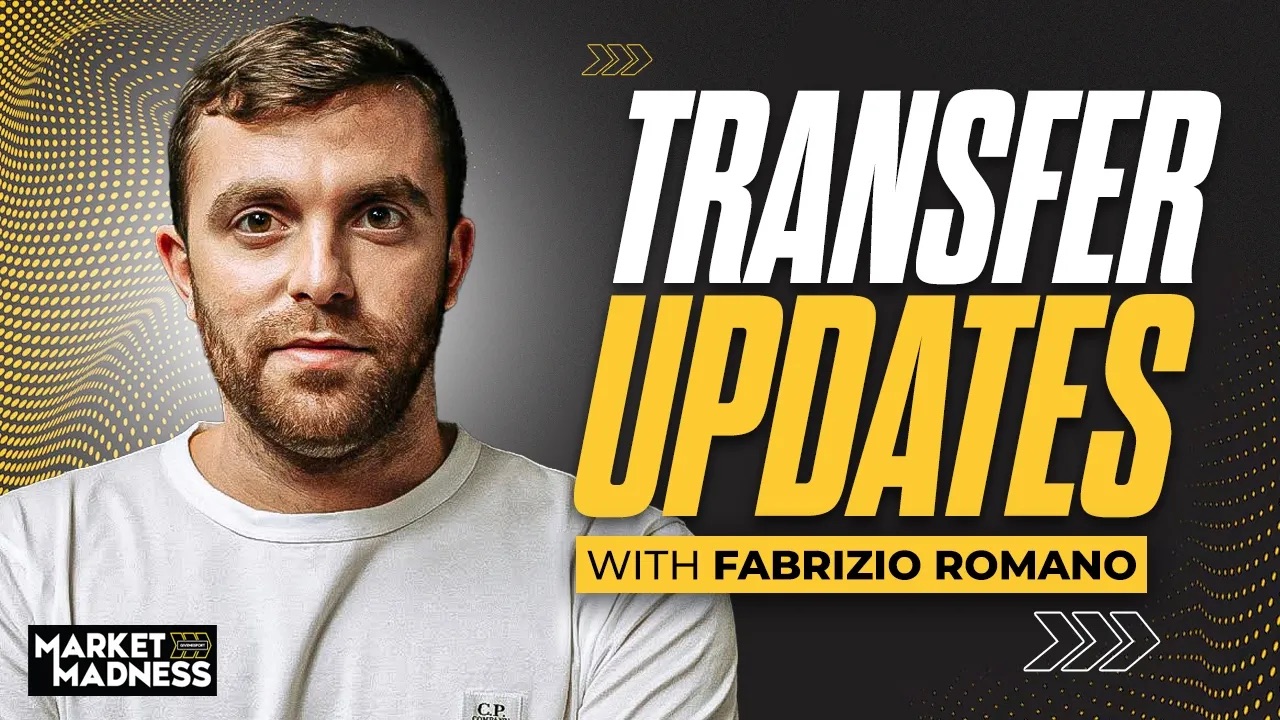
It’s not an easy thing to capture. Everything has to be on point. And you have to be able to evolve.
At GiveMeSport, a key evolution of our strategy for this past January transfer window was doubling down on trusted, authoritative insiders alongside our editorial team.
Think of it like building a squad. With Fabrizio Romano and Ben Jacobs as key pieces of our roster, we already had our stars in place. But to win a championship, to be able to compete at the highest level, you also need depth. So, this January, we worked with a half-dozen more industry-leading journalists, experts capable of breaking exclusive news and keeping their fingers on the pulse throughout what was a typically chaotic window.
Because here’s the thing about transfer windows: it’s not just about logging minutes on the pitch. Any player can show up, but the great ones know when to press, when to hold their shape, and ultimately, how to read the game. And our readers trust us to be great. They trust us to make the right call under pressure, and as journalists, that means being able to filter out the noise and deliver what actually matters. When you’re pushing stories that’ll be seen by more than one billion people worldwide – the GiveMeSport Facebook page is the largest in sports publishing – it’s not just about writing news and aggregating dozens (if not hundreds) of daily rumours that surface. It’s about getting it right, at scale.
Having that star-studded, deep lineup made that tall task easier. It allowed us to keep up with the relentless pace and volume of news, while also bringing the credibility and trust of our recognized football insiders. It meant that we weren’t just fast, we were trusted.
Attacking, Not Just Defending
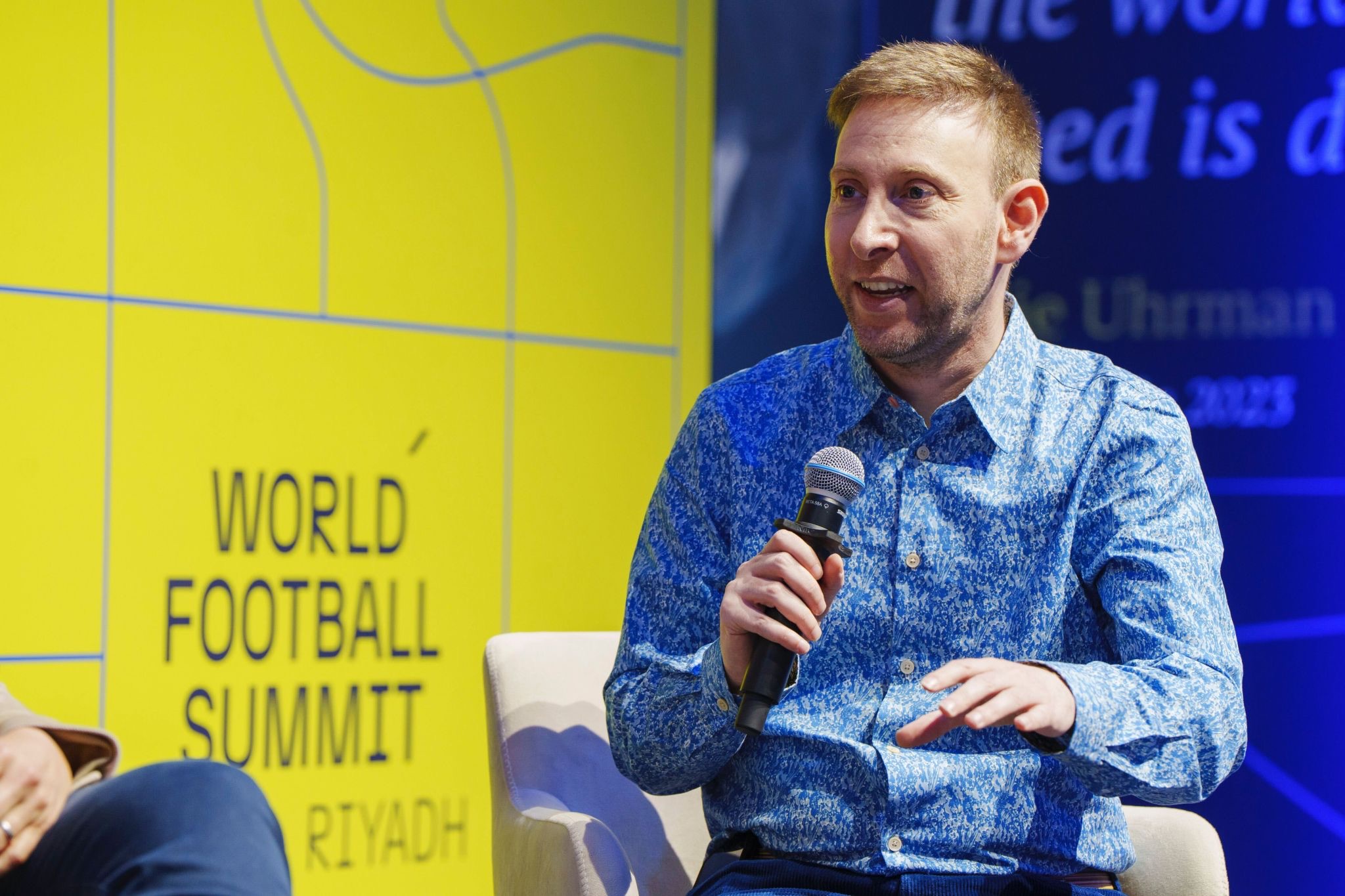
That’s such an important part of navigating transfer windows. It’s what separates the contenders from champions at the end of the day. Now, we had a team that could react instantly to breaking news, validate and add on to stories, and compete not just on speed, but also trust at scale. In a market that’s flooded with speculation and unverified rumours, that was ultimately our tactical edge, allowing us to grow from being the aggregators to the aggregated.
That’s where our vodcast, Market Madness, also came into play. Hosted by Jacobs, the show, which is for fans who want to go beyond the headlines and into the stories that shape football, ramps up during the window and puts a particular focus on the transfer market.
Rather than treating it as its own entity, we positioned it as an extension of our editorial operation. When a major story dropped, we weren’t just publishing articles, we were reacting live on stream and contextualizing stories, giving our audience information they wouldn’t find anywhere else.
Take Chelsea FC’s appointment of Liam Rosenoir, for example. On January 6, 2026, Rosenoir was appointed as Chelsea’s head coach on a six-and-a-half-year deal. We covered the story editorially, and just two days later, we had Liam’s father, Leroy Rosenoir, join Market Madness to offer exclusive insights about his son. Stuff you couldn’t get anywhere else.
We then turned that interview into social angles, video content, and written features, enhancing our multimedia offering, all within the GiveMeSport ecosystem.
Meeting Fans Where They Are
The multi-platform approach was intentional. The way fans consume transfer window content isn’t in a linear way anymore. They don’t just read one article and move on. They’re looking for multiple ways to track stories across a number of platforms, at different times of the day, in different formats. And our job is to meet that demand, meaning every component of our team – from editorial to social to design to video – have to be on the same page, operating in synergy.
That becomes even more important when you start to better understand traffic patterns during these periods: traffic isn’t evenly distributed, it’s tribal. Fans follow their clubs, their favourite players, and the narratives they care about. And, it’s the big clubs and star players that consistently drive disproportionate traffic.
Perhaps more importantly, we saw strong signals of returning traffic, especially on Deadline Day. Fans weren’t just visiting once, they were coming back multiple times looking for new developments. Better understanding that engagement is truly where long-term value is built.
All of this ties into understanding our audience behaviour, and commercially, that matters. Because the transfer window isn’t just about an increase in traffic, rather it’s about a highly-engaged audience that consumes content in multiple ways.
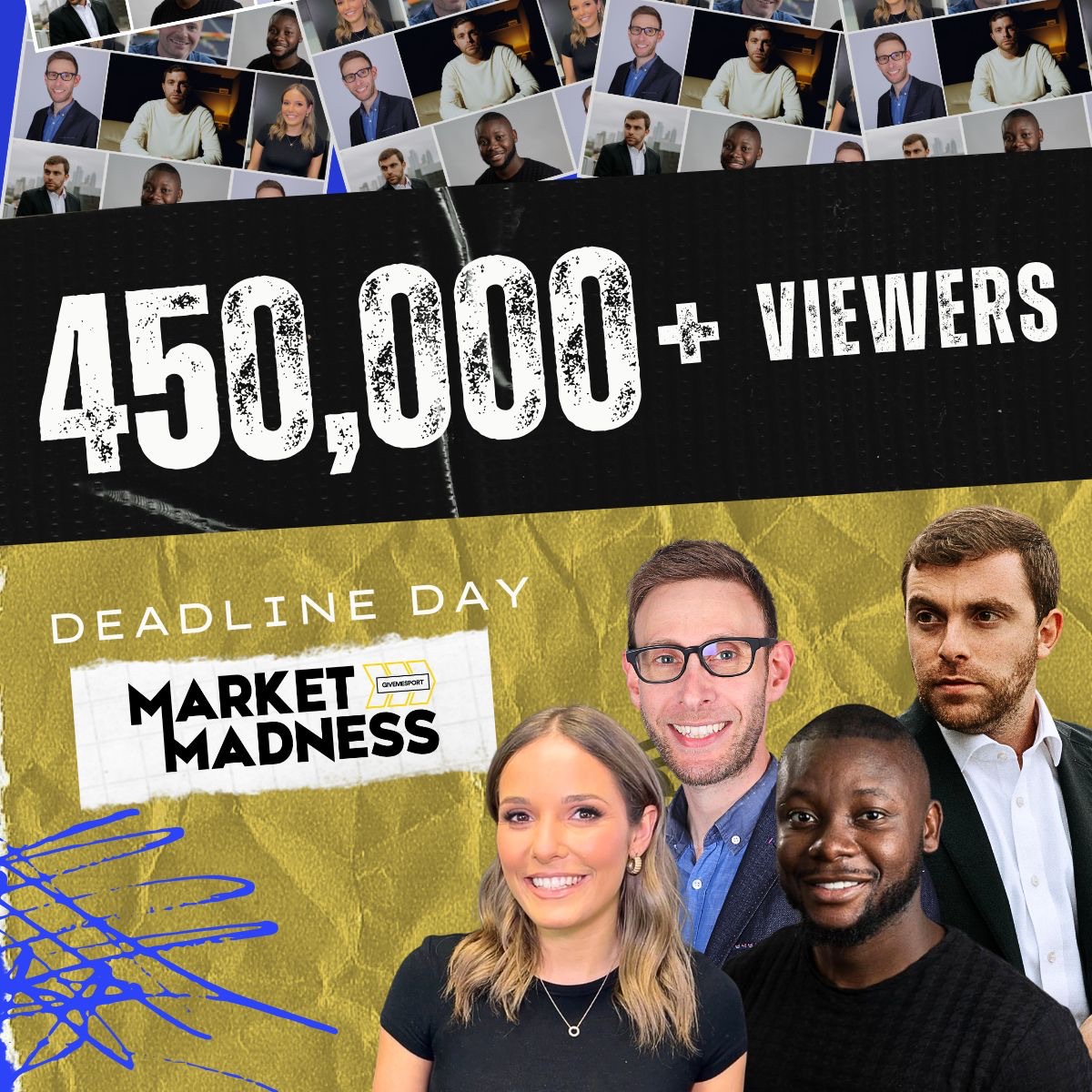
It’s true that the transfer window for us means increasing output, across our platforms. That creates consistent inventory, and peak moments like Deadline Day creates premium opportunities. Our Market Madness Deadline Day special, which featured Romano, for instance, was viewed by more than 400,000 people across all platforms, with everyone tuning in to hear the latest news and updates.
But none of it works without trust, and that’s the balance that we focused on in January.
What We Learned and What’s Next
Of course, not everything worked perfectly. There were moments that we went hard in on a narrative or news piece that didn’t convert. Or other moments where we could have covered a story in greater detail. Truthfully, the window is unforgiving in that sense, with our audience quickly shifting their attention to the next thing. There isn’t much room for error.
But that’s also the value of the window. It forces us to be great. To bring clarity. To learn quickly. And it’s where those lessons are allocated that ultimately ends up being the difference maker.
As we look ahead to the summer transfer window, approaching the 2026 FIFA World Cup, there’ll be even less grace, and our focus has to be the sharpest it’s ever been.
We’re doubling down on formats that worked and drove high-quality traffic and engagement signals. We’re continuing to invest in our authoritative voices as part of our core strategy. And commercially, we’re evolving how we package these moments into more sponsorable, repeatable products that convert.
The January transfer window wasn’t just about chaos. It was a blueprint for us moving forward. A blueprint for how modern sports publishers can operate at its best: fast, structured, multi-platform, and rooted in trust.

Michael Singh
Michael Singh brings over a decade of experience in the sports media industry, having collaborated with some of the biggest brands in the global sports landscape. He currently serves as Operations Manager for the Valnet Sports portfolio, overseeing leading publications including GiveMeSport, Football FanCast, Football League World, and TheSportster, where he drives editorial and business operations, content strategy, and cross-platform growth, helping to deliver quality, authoritative coverage to millions of sports fans world wide.