The Strategy That Won CES 2026: Valnet’s Multi-Brand Approach
Valnet | February 2026
When the tech industry descends on Las Vegas each January, the volume becomes overwhelming. Over 4,500 exhibitors compete for attention. Thousands of journalists chase the same stories. Product announcements blur together into noise. This year, Valnet deployed a different strategy: five specialized newsrooms, each with distinct editorial voices and audiences, working together to capture the full scope of CES 2026.
XDA, MakeUseOf, Android Police, Pocket-lint, and How-To Geek published over 95 articles that generated more than 600,000 combined sessions. The coverage ranged from cutting-edge computing hardware to practical consumer gadgets, from exclusive industry briefings to personal, experiential storytelling that connected readers to the products that will define the next year in tech.
Five Brands, Five Angles
Valnet’s approach to major industry events leverages the distinct editorial voices and audiences of each brand while fostering collaboration that amplifies our collective impact. At CES 2026, this meant XDA diving deep into the latest CPUs and GPUs, MakeUseOf hunting for practical tech that people can actually use, Android Police focusing on mobile and accessories with a narrow but authoritative scope, Pocket-lint highlighting lifestyle-focused devices, and How-To Geek exploring everything from AI-powered laptops to keyboard PCs.
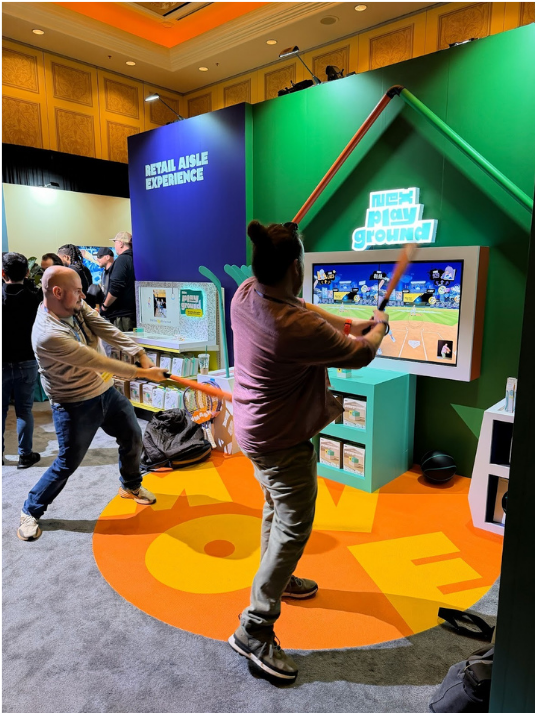
Rich Woods (left), Content Director at XDA and MakeUseOf, and Gavin Phillips (right), Segment Lead at MakeUseOf, playing Nex Playground at CES 2026
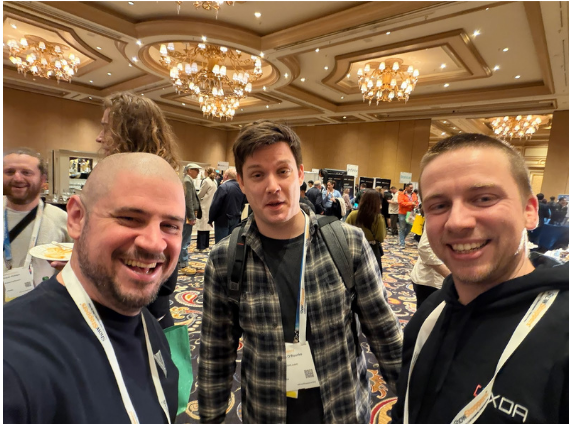
Rich Woods (left), Patrick O'Rourke (middle), and Rich Edmonds (right) from XDA at CES 2026
“For MakeUseOf, CES is all about finding the newest and best tech that’s actually usable,” the team noted. “In a show filled with concepts, crazy AI robots, and more, we want to highlight the tech people can actually get their hands on and start using in the real world.”
For XDA, CES is their Super Bowl and they led in pure traffic power, with their coverage of the NexPhone, a device that dual-boots Android and full Windows, generating 130,000 sessions alone. Their story on Nvidia’s 6x frame generation pulled in another 83,000 sessions, cementing XDA’s position as the authority when computing takes center stage.
Android Police took a different approach, sending a single writer to the floor while running a virtual command room anchored by cross-site collaboration. The strategy paid off: 19 stories generated over 170,000 total sessions, with 80% of traffic coming from just three pieces. Their top performer, “I tried the future of batteries at CES 2026,” earned 70,500 sessions by eschewing straight news coverage for first-person, future-forward storytelling.
“Making data-informed decisions is the backbone of our editorial plan, but it isn’t a replacement for editorial expertise,” the AP team reflected. “Two of the top three stories were on topics we typically don’t cover.”
MakeUseOf published 17 articles with engagement rates ranging from 33% to 65%. Their hands-on piece covering Anker’s new Aerofit 2 Pro earbuds achieved the highest view count, proving that practical consumer tech resonates with their audience.
Pocket-lint, operating with a leaner team, published seven targeted stories and secured a one-on-one briefing with Amazon’s Vice President of Fire TV Experience. “It was fascinating to see demos of all of Amazon’s new Fire TV experiences and to get a firsthand glimpse of how it’s trying to keep up in a rapidly changing TV landscape,” said writer Craig Donaldson. Those Fire TV stories alone garnered over 78,000 sessions during the show.
What We Learned: The Trends Shaping Tech in 2026
Across all five brands, two major themes emerged from the show floor.
AI has arrived. Last year, artificial intelligence was aspirational. Companies pitched what might be possible someday. This year marked a turning point. “AI is starting to become real,” XDA observed. “Now, it’s about real-world use cases and how it can make sense in a real product.”
The challenge remains execution. As How-To Geek noted, “most companies still seem to have no real ‘game plan’ for it, frankly. They just mention AI functionality or hardware capabilities as some vague, nebulous thing.” When AI integration did feel meaningful, it appeared in modest applications like on-device facial recognition for smart locks, practical, invisible, genuinely useful.
MakeUseOf put it bluntly: “People are using AI, but typically don’t want it rammed down their throats and reminded that they’re using it.”
Local processing and storage is the new frontier. Several companies introduced their first NAS devices, smart home brands emphasized local security camera storage, and local AI hardware appeared across product categories.
CES 2026 Best in Show: Each Brand's Award Winners
Every Valnet tech brand published their official CES 2026 Best in Show Awards, recognizing the standout products and innovations from the show:
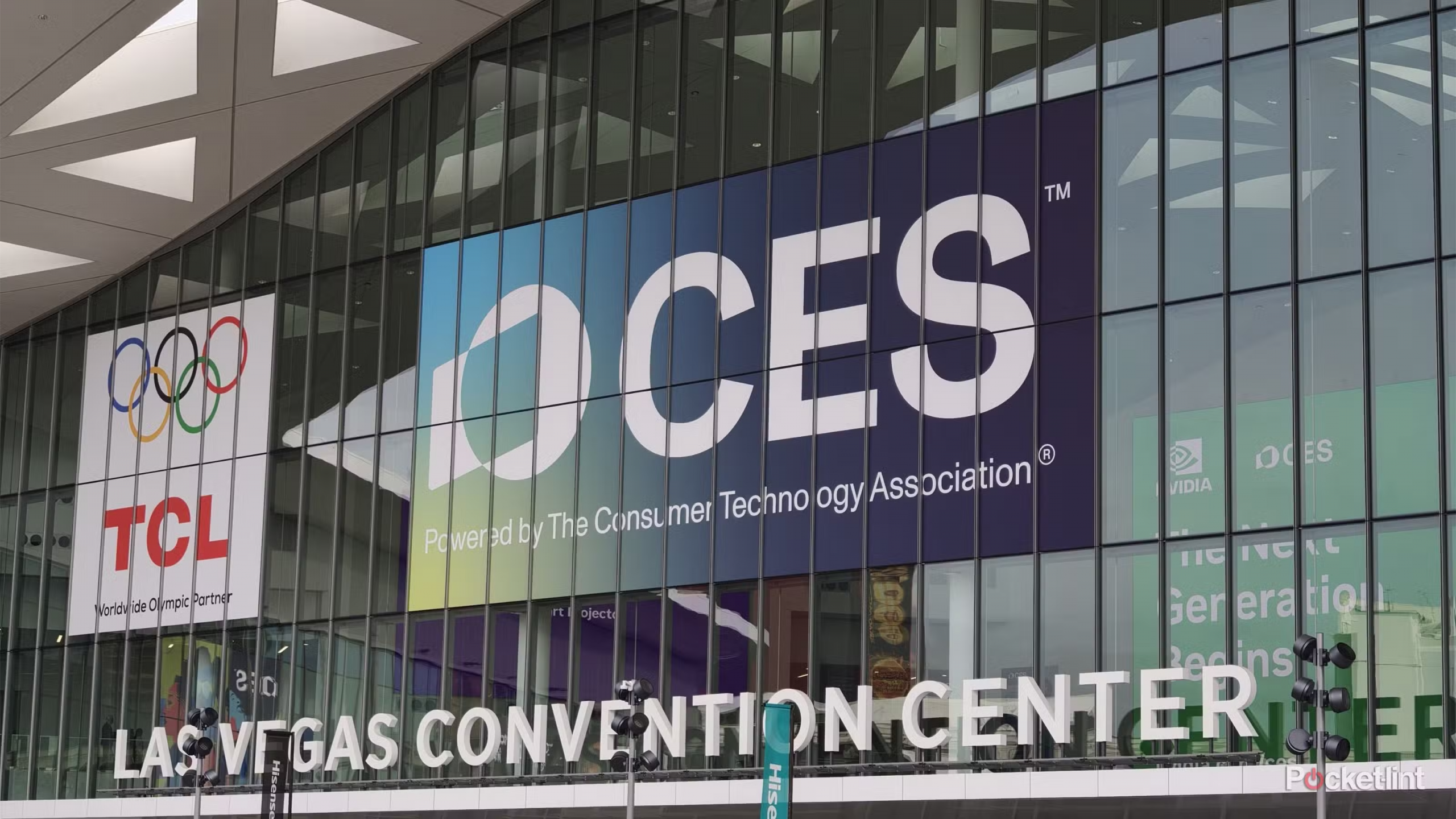
CES Signage (Credit: Andrew Heinzman - How-To Geek)
The Valnet Advantage
What sets Valnet apart at industry tentpole events is our ability to deploy specialized expertise at scale while maintaining the agility to pursue unexpected stories. When Android Police discovered that breakout experiential pieces published after the event could outperform day-one news coverage, they had the editorial freedom to execute that strategy. When Pocket-lint identified Fire TV as a key opportunity, they secured exclusive access that established authority in that vertical.
Collaboration amplified individual efforts. A portfolio-wide Telegram group connected editors-in-chief, leads, and writers across all tech sites, enabling real-time coordination and cross-promotion. Virtual command rooms supplemented on-the-ground reporting. Strategic scope decisions—XDA owns laptops, so Android Police focused elsewhere—prevented redundancy while ensuring comprehensive coverage.
The result is coverage that serves multiple audiences with authority, authenticity, and scale that few media companies can match. CES 2026 demonstrated what happens when distinct editorial voices unite under a shared commitment to quality journalism and audience value.
From the NexPhone to battery breakthroughs, from AI that works to AI that doesn’t, from $15,000 TVs to humble earbuds, Valnet’s tech brands told the full story of CES 2026 and half a million readers showed up to read it.
Our passionate and dedicated team is committed to keeping you informed about the latest news, exciting developments, and noteworthy milestones at Valnet. From behind-the-scenes insights to major achievements, we strive to keep you connected with everything happening within our thriving network.